Residents Urged to Take Health Precautions Post Flood
Published on 21 January 2026
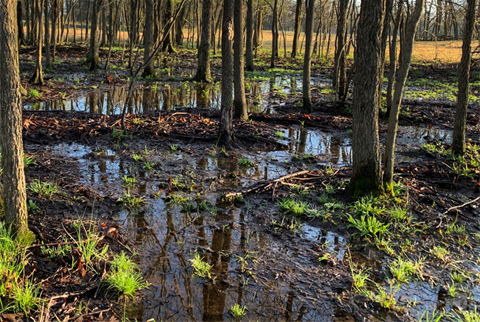
Livingstone Shire Council is reminding residents to take practical steps to protect their health following recent flooding, with increased mosquito activity and heightened risks from flood-related illnesses expected across the region.
Mayor Adam Belot said post-flood conditions can create a range of public health hazards if people are not aware and prepared.
“Floodwaters and saturated ground can significantly increase mosquito breeding and also elevate the risk of illnesses such as melioidosis from exposure to infectious bacteria in soil,” Mayor Belot said.
“That’s why Council is actively managing mosquito risks on public land and encouraging residents to take simple actions around their homes to protect themselves and their families.”
Council’s Vector Management Team has been actively responding to recent conditions, completing mosquito surveillance and targeted larval treatments on Council-owned land.
Mayor Belot said Council’s approach focuses on environmentally responsible and effective mosquito control.
“The larvicides used by Council specifically target mosquito larvae and do not harm other insects, including important species like bees and dragonflies,” he said.
“These treatments last up to three months and are the most effective way to reduce mosquito populations at the source.”
Council advises that routine mosquito misting is no longer recommended for residential properties. Broad-spectrum insecticides used in misting affect all insects, including beneficial species, provide only short-term relief and do not address breeding sites, often leading to rapid reinfestation.
Council typically reserves adult mosquito spraying for public health responses or outbreak situations only. Residents are also urged to be aware of melioidosis, a serious bacterial infection that can occur after heavy rainfall and flooding. The bacteria live naturally in soil and muddy water and can enter the body through cuts or abrasions, inhalation of dust or water droplets, or less commonly through ingestion.
Mayor Belot said awareness and prevention are key.
“People should take extra care when cleaning up after floods, gardening or working in muddy conditions,” he said.
“Wearing protective clothing, covering cuts, and avoiding unnecessary contact with muddy water can significantly reduce the risk.”
Residents should seek medical advice if they experience symptoms such as fever, cough, chest pain, headaches, muscle aches or skin infections, particularly if symptoms develop after flood exposure.
Council encourages residents to take the following steps after flooding and heavy rain:
- Remove or regularly empty containers holding water
- Treat unavoidable standing water with approved mosquito larvicides
- Check plants such as bromeliads and palms for pooled water
- Maintain gutters and drains and check yards for areas of standing water
- Use window screens and fans to reduce mosquito exposure
- Apply mosquito repellents and coils as directed
- Avoid contact with floodwater and muddy areas where possible
- Wear gloves, boots and long sleeves during clean-up activities
- Wash hands thoroughly after outdoor work or flood clean-up
If residents would like assistance identifying mosquito breeding sources on their property or advice on safer mosquito control options, they can contact Council’s Vector Management team via enquiries@livingstone.qld.gov.au.
Council encourages residents to stay informed and take sensible precautions as recovery continues following recent flooding.